


MMSA delivers research-backed professional learning opportunities tailored to the evolving needs of STEM educators. Read about the range of offerings below or contact us for more information.
- Audience: District or school team of educators
- Format: In-person, Virtual, or Hybrid
- Cost: Please contact math or science consulting leads below for more details about pricing and packages.
Support with lesson preparation and reflection focused on student-centered learning goals and formative assessment. Coaching is combined with or follows Technical Assistance or Professional Learning.
- Audience: Individual or teams of 2-3 educators
- Format: In-person, Virtual, or Hybrid
Strategic visioning, curricula review, evaluation services, and other technical services as needed.
- Audience: District or school team of educators
- Format: In-person, Virtual, or Hybrid
Math Consulting
Contact Becky Tapley to find out more about customizable math professional learning options.

Science Consulting
Contact Adrienne Hanson to find out more about customizable science professional learning options.

MMSA offers a wide range of consulting services and in-person, virtual, and hybrid professional learning options for K-12 math and science teachers.
Contact us for customized options, or read on for an overview of what we offer.
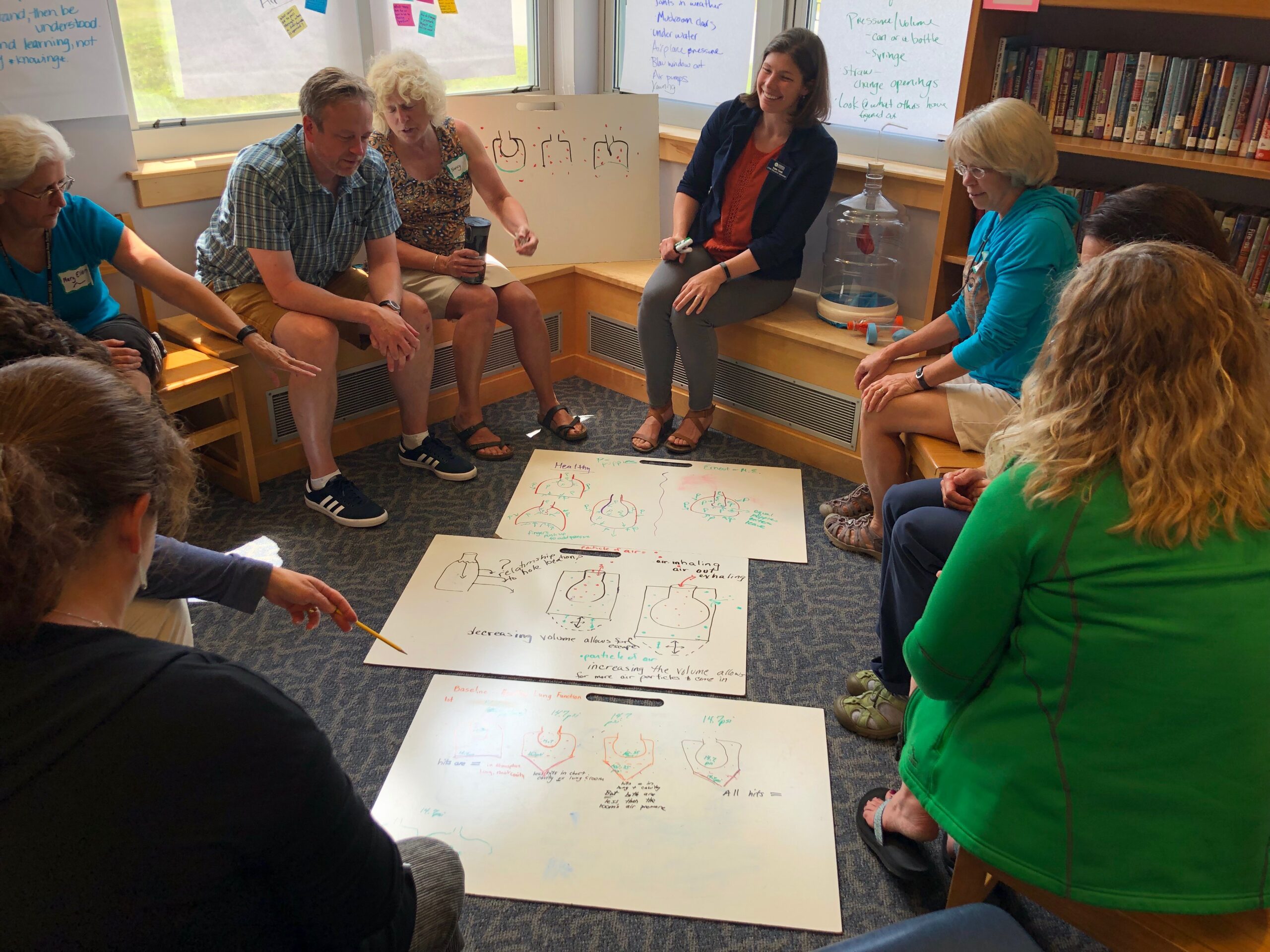
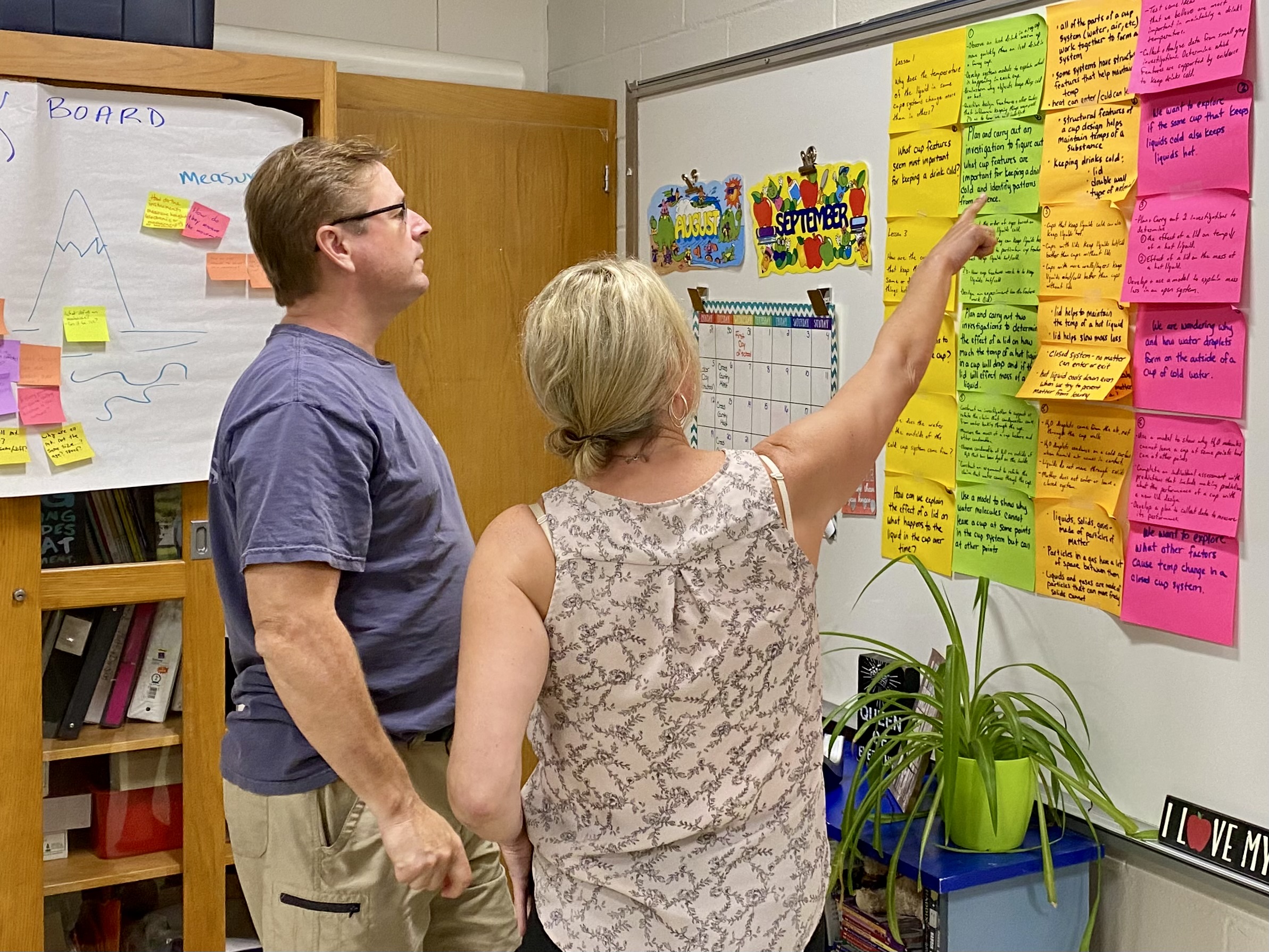
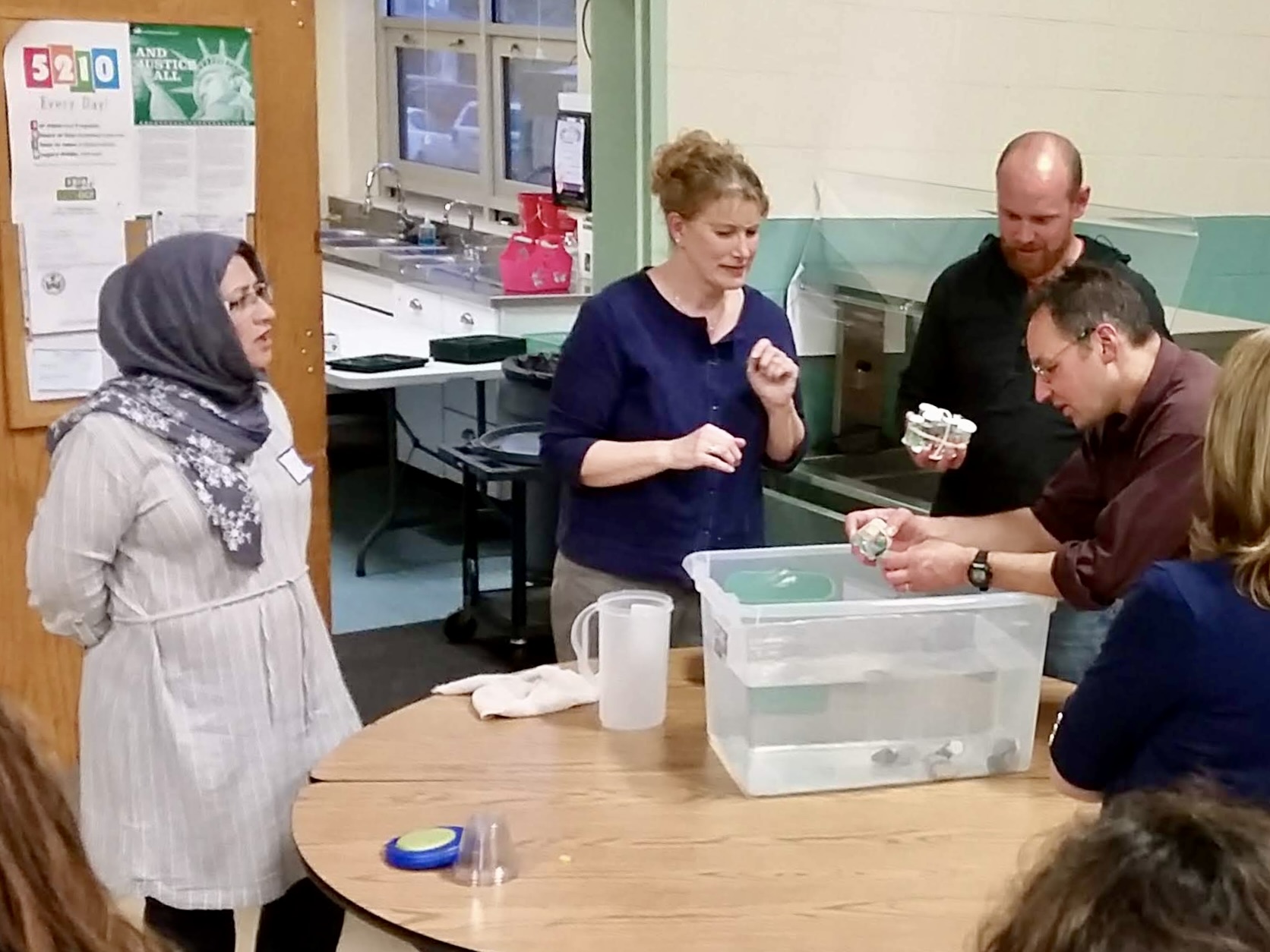
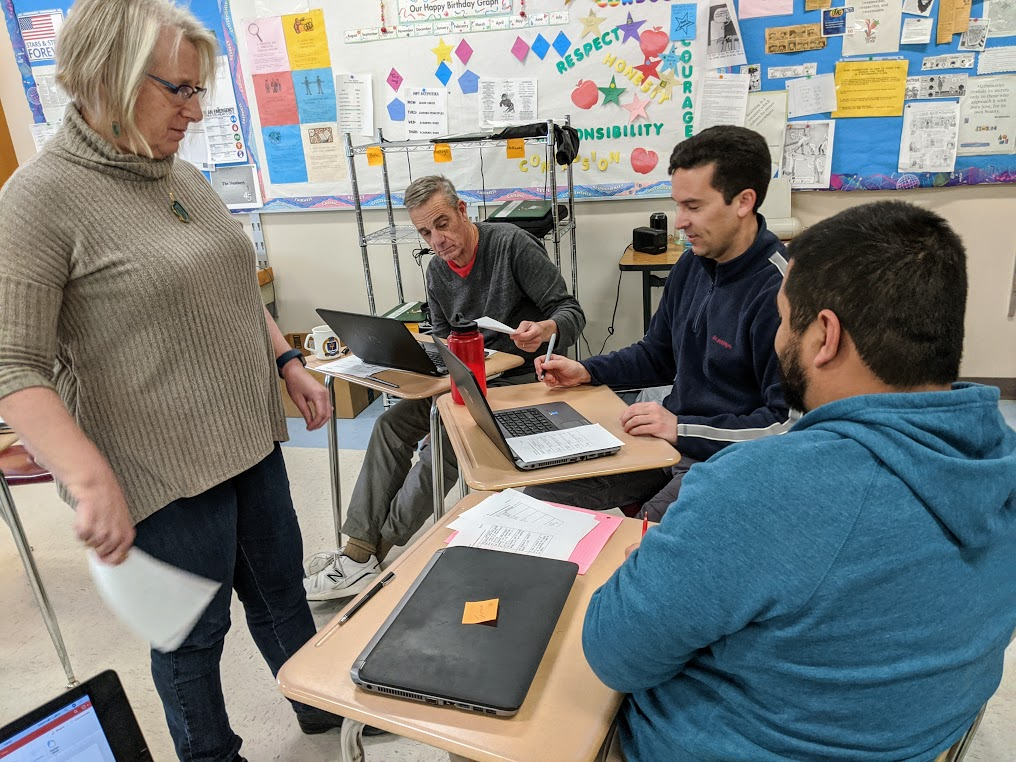
MMSA offers a wide range of consulting services and in-person, virtual, and hybrid professional learning options in K-12 math and science.
Contact us for customized options, or read on for an overview of what we offer.
"I continue to attend events and professional development by MMSA because they are always full of positive energy and relevant, research-supported information that I can bring back to my colleagues and classroom. MMSA has encouraged me to think more deeply about the topics I'm teaching and even push my own knowledge to the next level, just what we want our students to do!"
“Our experiences with our MMSA professional learning sessions enabled us to start the important conversations that we haven’t had for a long time. Students truly are different types of learners now than in the past and we need to find ways to engage and include them in their learning.”
“MMSA runs such a good ship regarding professional development. They choose fruitful topics, they ask thought-provoking questions, and they run meetings and discussions so that you can process the material with other teachers. I've found MMSA professional development to be an efficient, effective way to become a better teacher.”
“The team at MMSA did an excellent job of scaffolding the learning for adult learners, breaking down complex concepts, and providing multiple opportunities for practice and application. As a result, I left each session feeling more confident in our ability to teach elementary mathematics and better equipped to support our students' learning and understanding. Overall, I highly recommend the professional learning sessions led by MMSA.”
"The session was awesome. I really enjoy the way it was set up. All of the advice and assistance that MMSA has given us has been wonderful. I can't wait until our next session."
"Our MMSA consultant has revitalized not only our school’s math program, but our collective enthusiasm for teaching math and empowering students to think mathematically. During a time of social and academic disruption, our professional development days and coaching sessions have taken us out of survival mode and into a realm of enriching our math pedagogy and practices."
"One of the best professional development experiences in my 20-year teaching career. We were given time to work, brainstorm, and use the expertise in the room to begin working on units and lessons so that I left feeling more prepared. My students are showing better understanding this year compared to last year, and I am moving faster through the material."
"The professional development I received through MMSA provided me with critical understanding of student-led inquiry and the power of using phenomena to spark students' curiosity. The result is that students develop agency and grow in myriad ways."
Pedagogical support for K-12 math and science educators. Professional learning is facilitated in either ½ day (3 consecutive hours) or full-day (6 consecutive hours) increments.
- Audience: District or school team of educators
- Format: In-person, Virtual, or Hybrid
- Cost: Please see the pages below for more details about pricing and packages.
Support with lesson preparation and reflection focused on student-centered learning goals and formative assessment. Coaching is combined with or follows Technical Assistance or Professional Learning.
- Audience: Individual or teams of 2-3 educators
- Format: In-person, Virtual, or Hybrid
Strategic visioning, curricula review, evaluation services, and other technical services as needed.
- Audience: District or school team of educators
- Format: In-person, Virtual, or Hybrid
Calendar of Workshops & Events
Professional Learning
1 Pedagogical support for K-12 math and science educators. Professional learning is facilitated in either ½ day (3 consecutive hours) or full-day (6 consecutive hours) increments.
- Audience: School or district-level educators and administrators
- Format: In-person, Virtual, or Hybrid
- Cost: These partnerships begin at $10,000 for 24 participant contact hours. Additional half days are $1,250 and additional full days are $2,500. This beginning price includes one MMSA facilitator for up to 25 participants. Additional facilitator fees will apply for larger groups.
Professional Learning
1 Pedagogical support for K-12 math and science educators. Professional learning is facilitated in either ½ day (3 consecutive hours) or full-day (6 consecutive hours) increments.
- Audience: School or district-level educators and administrators
- Format: In-person, Virtual, or Hybrid
- Cost: These partnerships begin at $10,000 for 24 participant contact hours. Additional half days are $1,250 and additional full days are $2,500. This beginning price includes one MMSA facilitator for up to 25 participants. Additional facilitator fees will apply for larger groups.
Coaching
2 Additional individualized support with lesson preparation and reflection focused on student-centered learning goals and the use of formative assessment to inform instructional planning. Coaching may be combined with or occur following a Technical Assistance or Professional Learning contract.
- Audience: Individual or teams of 2-3 educators
- Format: In-person, Virtual, or Hybrid
- Cost: These partnerships begin at $1,500 for 3 coaching cycles. A coaching cycle consists of a class visit with pre and post-communication for up to 3.5 hours, including travel if required. Additional cycles are $500/cycle. A team approach is equivalent to two coaching cycles.
Coaching
2 Additional individualized support with lesson preparation and reflection focused on student-centered learning goals and the use of formative assessment to inform instructional planning. Coaching may be combined with or occur following a Technical Assistance or Professional Learning contract.
- Audience: Individual or teams of 2-3 educators
- Format: In-person, Virtual, or Hybrid
- Cost: These partnerships begin at $1,500 for 3 coaching cycles. A coaching cycle consists of a class visit with pre and post-communication for up to 3.5 hours, including travel if required. Additional cycles are $500/cycle. A team approach is equivalent to two coaching cycles.
Technical Assistance
3 Strategic visioning, curricula review, evaluation services, and other technical services as needed.
- Audience: District-level team of educators and administrators
- Format: In-person, Virtual, or Hybrid
- Cost: These partnerships begin at $6,000 for 40 hours of MMSA staff time. Additional hours are $150/hour.
Technical Assistance
3 Strategic visioning, curricula review, evaluation services, and other technical services as needed.
- Audience: District-level team of educators and administrators
- Format: In-person, Virtual, or Hybrid
- Cost: These partnerships begin at $6,000 for 40 hours of MMSA staff time. Additional hours are $150/hour.
Workshops & Events
4 Introductory and networking sessions, foundational workshops, and deeper learning experiences. These events are open to all educators, school administrators, district leaders, school board and community members.
Workshops & Events
4 Introductory and networking sessions, foundational workshops, and deeper learning experiences. These events are open to all educators, school administrators, district leaders, school board and community members.
Evaluation & Out of School Services
5 MMSA provides services tailored to out-of-school educators as well as evaluation services to assist organizations and institutions with research planning, management, and the assessment of outcomes.
Find more information about by clicking the buttons below.