Snapshots of Real-World STEM Experiences with MMSA Projects
Posted on
Through its professional learning and research, MMSA consistently shares a unique perspective on real-world STEM literacy with Maine’s education community. In this blog post, learn how MMSA’s projects engage participants in STEM learning that is directly relevant to their professional practice and local contexts.
Pairing Teachers with Researchers through Maine-BRIDGE
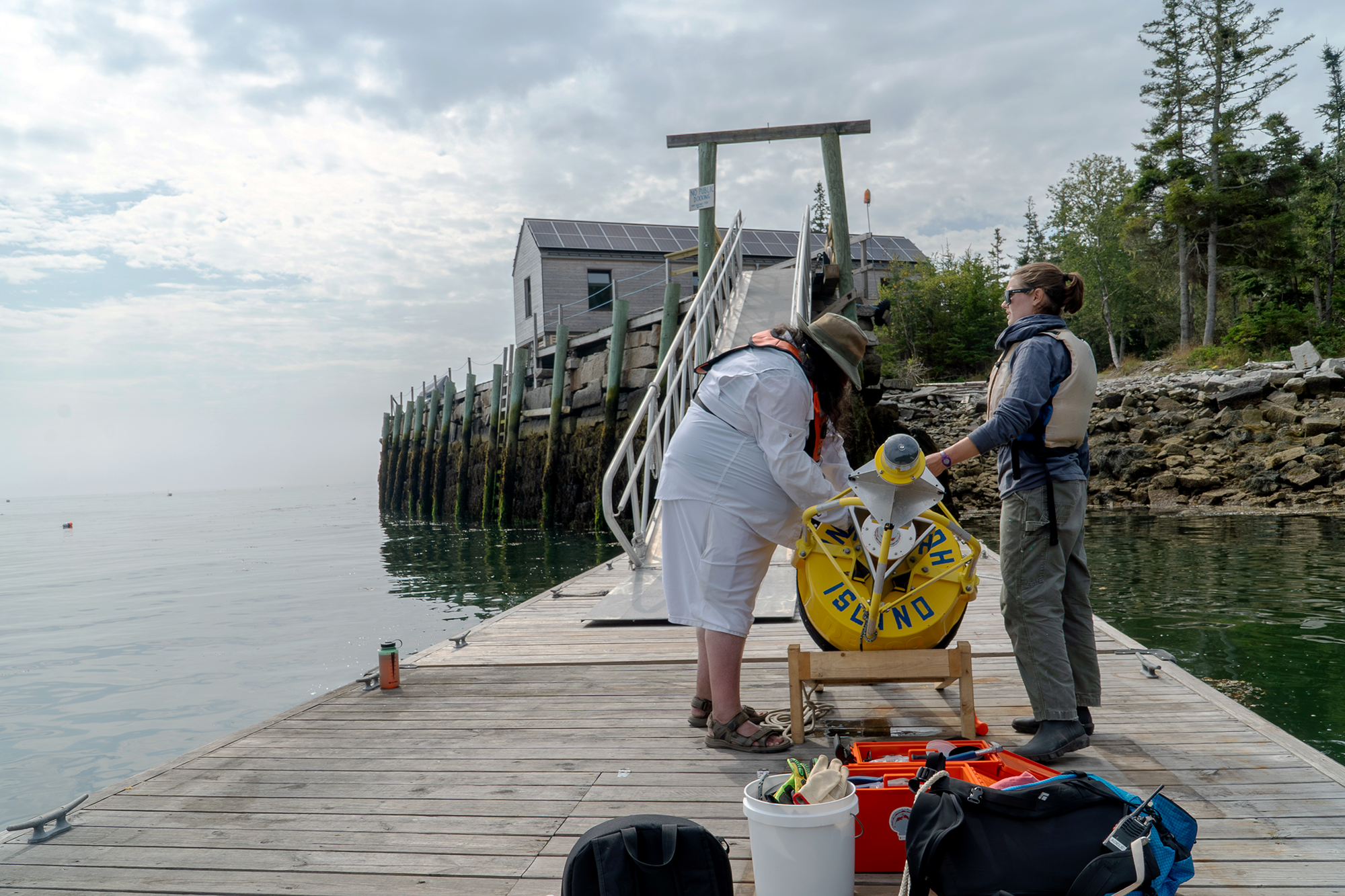
This project brings together Maine’s teachers and scientists for immersive summer externships that place educators directly into the heart of active scientific research. Whether collecting samples, analyzing data, or working with advanced tools and software, teachers gain a firsthand understanding of the diverse STEM work happening across the state.
Empowered with new skills and authentic scientific experiences, participants return to their classrooms ready to translate real-world research into meaningful learning. The result is richer, more relevant STEM instruction, with curriculum grounded in the science unfolding in Maine’s forests, waters, labs, and communities.
Teacher participant Ian Campbell had this to say about his experience with the project:
“This experience deepened my understanding of scientific inquiry by giving me direct practice with field instrumentation, data calibration, and aquaculture research that I can translate into classroom instruction. Doing the calibration was so much fun. It wasn’t that much different then setting up a lab in my classroom but the import was bigger.
Working through each step of the research process reinforced how precision, replication, and context are essential to generating reliable results, which I can now emphasize more clearly to students. Collaborating with researchers and educators broadened my perspective on how to connect students with authentic science.”
Student Inquiry Shines Through Maine State Science Fairs
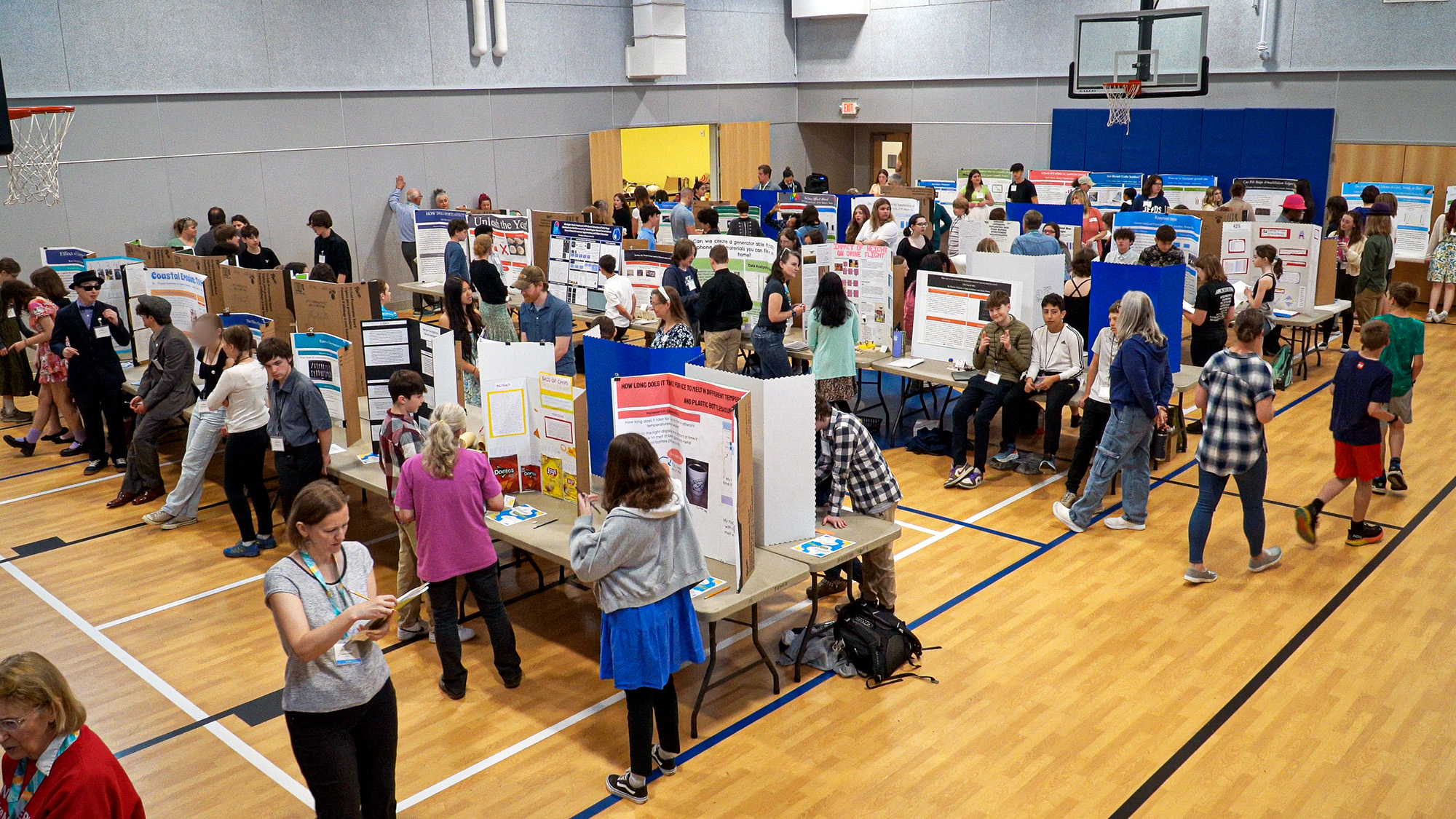
Each year, MMSA runs the Middle School Science and Engineering Fair and the Maine State Science Fair, which is for high school students. These science fairs are exciting events where students share their work in a public forum and compete for awards.
Some recent examples of student projects from the high school and middle school fairs include:
- Exploration of Bio-Textiles for a Sustainable Fashion Industry
- A Computer Model for Efficient Offshore Wind Farm Siting in the North Atlantic
- Social Media and How It Affects the Purchasing Behaviors of Middle Schoolers
While each fair lasts for one day, the preparation on the parts of students, teachers, staff, and parents takes most of the year. The entire process is a learning experience—one that lasts long after the fair is over.
One science fair parent, Alex Anesko, said, “MSSF is one of the few STEM programs where students own their educational experience, over the course of several months, to put the scientific method and the iterative process into action. No curriculum. No answer key. Just like real science. Just like real engineering.”
While some students will go on to present their projects at the national level and earn college scholarships, every student who participates in the science fair participates in a formative and rich experience in not only learning but doing science.
Teaching Math and Science Using Local Energy Transitions
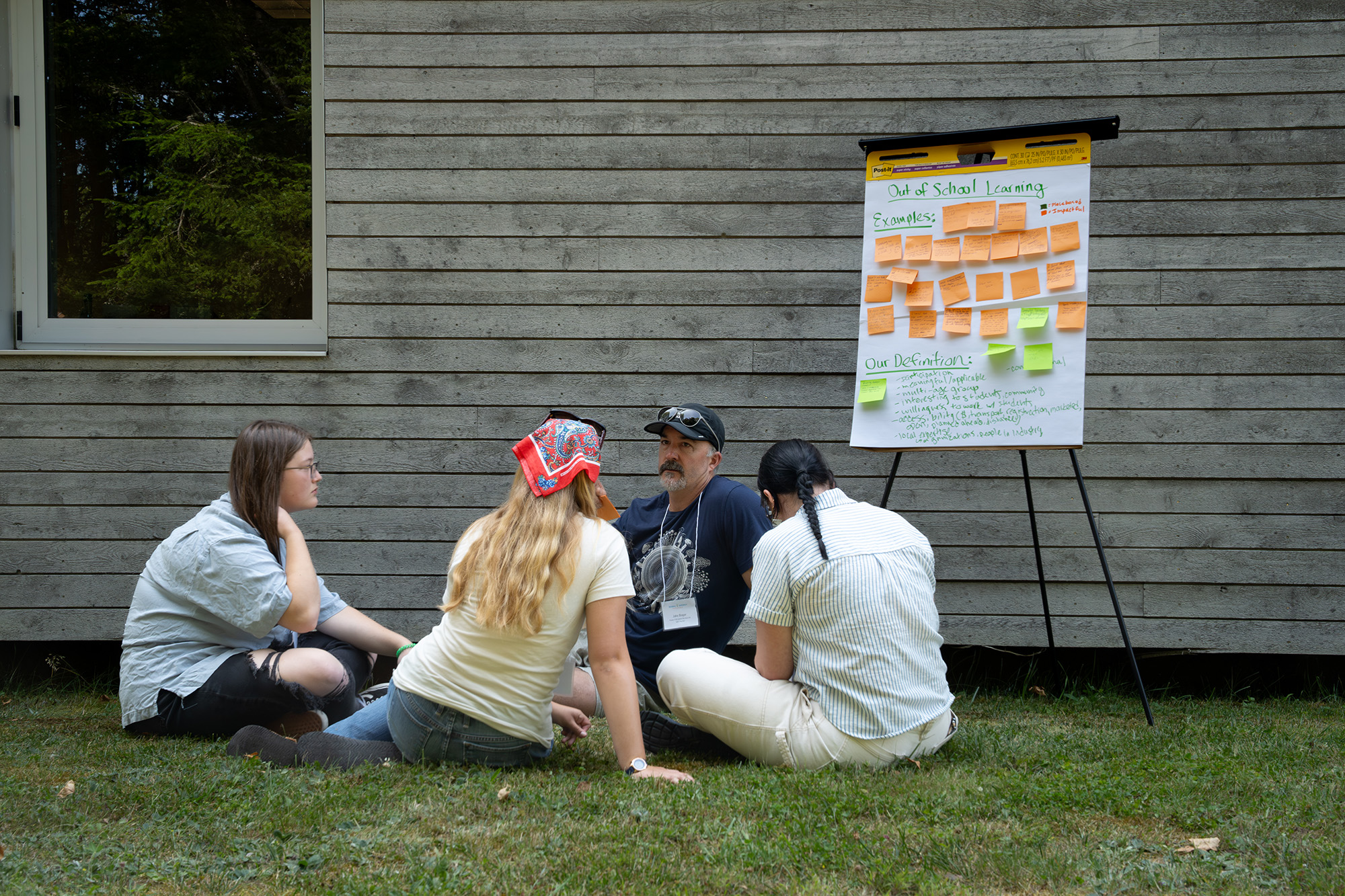
Rural Energy Futures is a pioneering project that builds partnerships between students, teachers, and energy mentors to explore energy transitions in local Maine communities. Not only are teachers equipped to develop curriculum and activities in the classroom and beyond that is relevant to their students, but the students themselves participate in the process of creating these learning experiences.
This summer, participants gathered at the Schoodic Institute in Winter Harbor. One teacher participant said, “This was an amazing way to empower some of our students to lead their peers in influencing change when we return to our district. Connecting students with professionals, as well as showing them that they can make positive changes in their communities, will have a lifelong impact.”
Coding Meets Plant Science with Smart Greenhouses
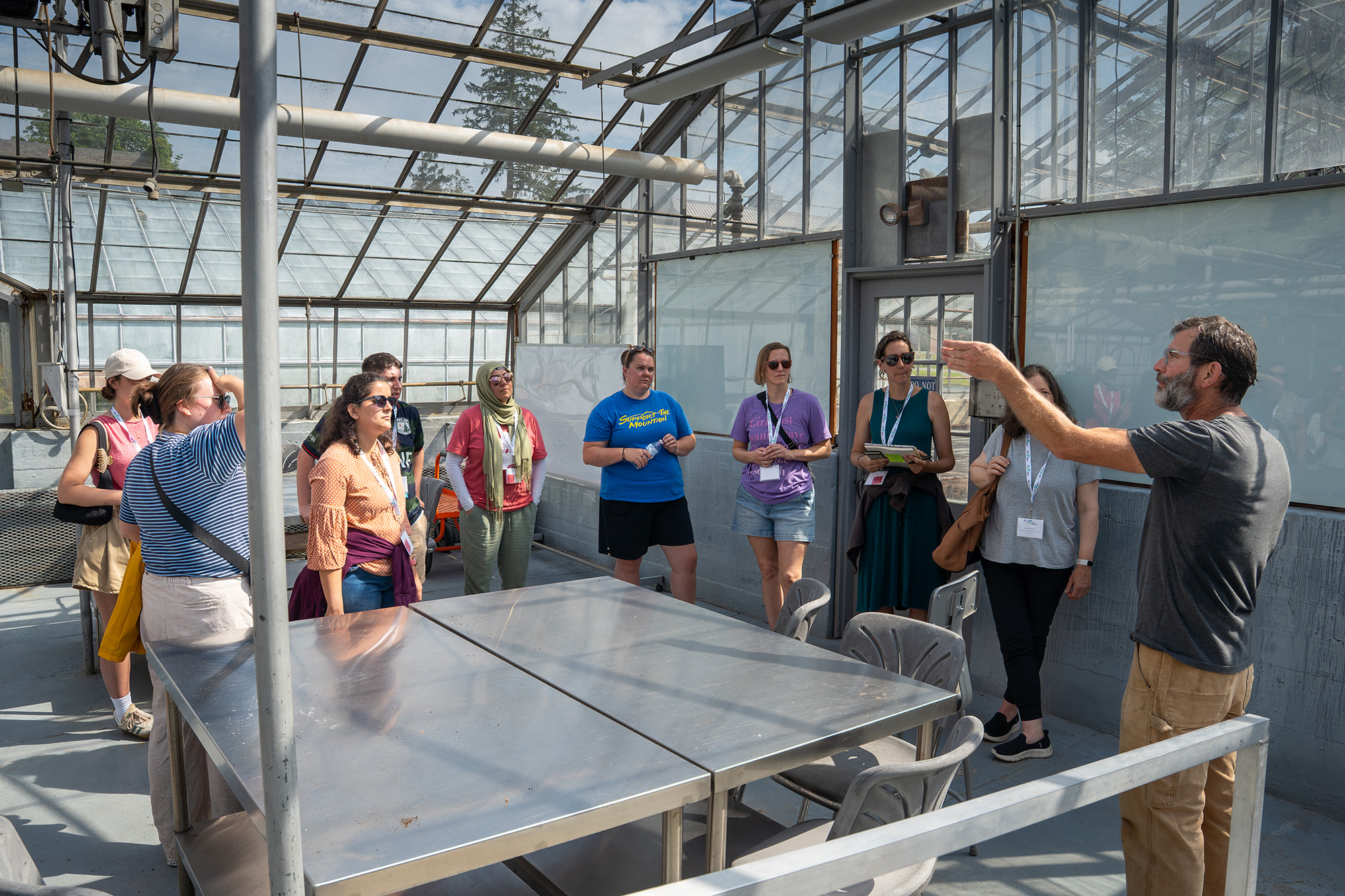
Driven by a philosophy of transdisciplinary learning, the Smart Greenhouse project equips teachers with the skills, materials, and knowledge to assemble miniature greenhouses that use sensors to optimize the environment for plants inside.Teachers and facilitators work together to adapt curricula that they can use in their classrooms to teach hands-on computer and plant science lessons.
After the project’s summer institute, one participant said, “I love connecting concepts with real world situations so students not only learn better but remember where they stored the knowledge in their brains for retrieval.”
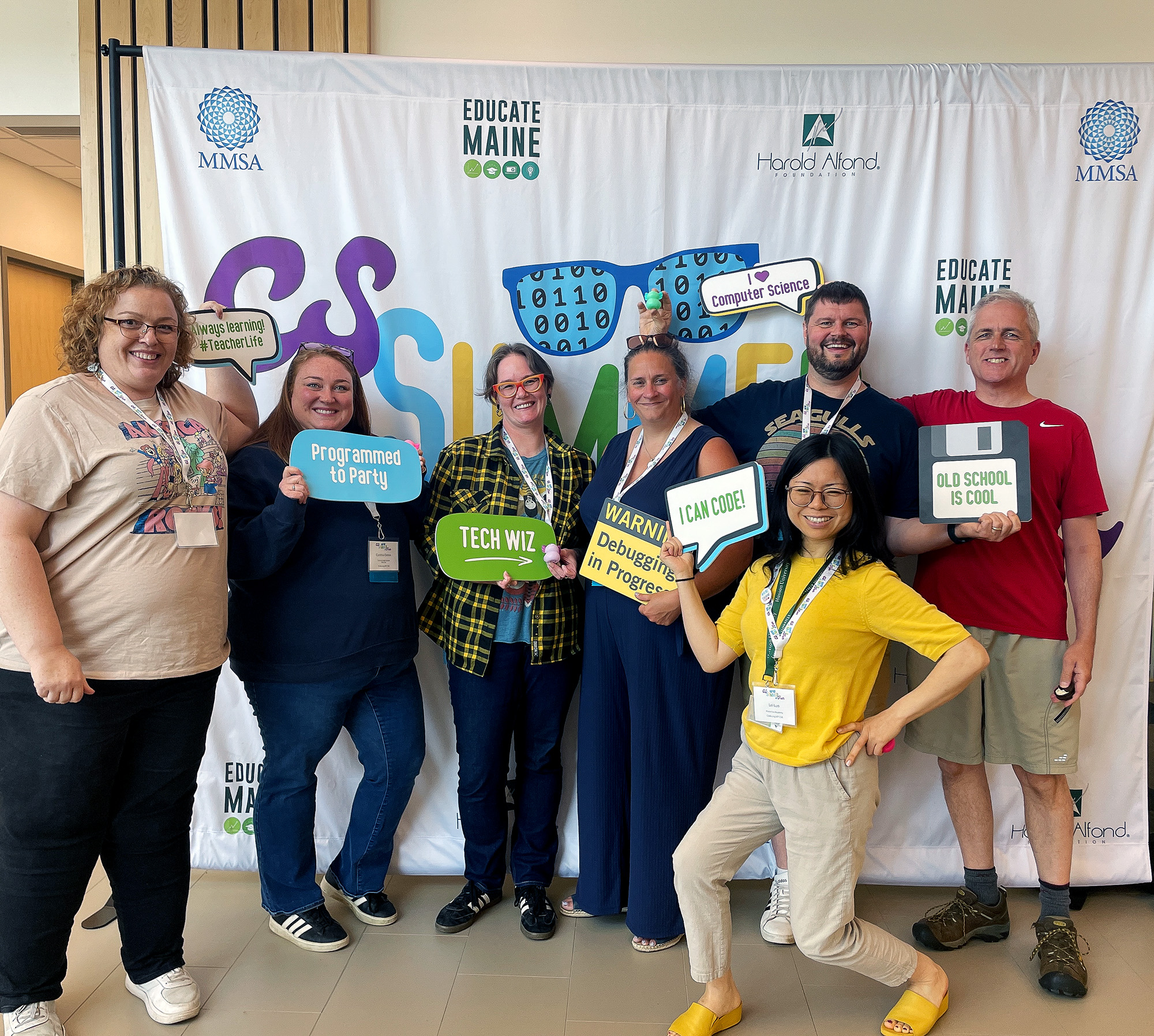
Exploring Computer Science with STEM Workforce Ready 2030
STEM career readiness is embedded in each of WorkForce Ready (WFR)’s professional learning initiatives, which include the CS Summer of Fun and the CS Connected Learning Experience. Each of these experiences feature opportunities for teachers to gain a better understanding of how integral computer science is to careers in Maine.
One way teachers develop an understanding of real-world computer science skills is by developing their own. Regardless of experience level, participants in WFR programming are encouraged to learn to code or use data analysis tools.
Ways to Get Involved
These are just a few of the ways MMSA has helped to elevate STEM learning this year. Learn more on the blog, and if you would like to join one of these projects as a participant, please sign up for the newsletter, where we share upcoming opportunities for educators on a monthly basis.
If you are interested in bringing more real-world science and math into your school or classroom, but aren’t sure where to start, MMSA provides ongoing opportunities for high-quality professional learning, including customizable options for schools and districts.