How Maine Educators Are Bringing Computer Science and AI Into Every Classroom
Posted on
More than 215 educators from 117 schools gathered at Colby College this July for the sixth annual CS Summer of Fun, Maine’s largest professional learning event focused on integrating computer science and artificial intelligence into K–12 classrooms.
Hosted by the Maine Mathematics & Science Alliance (MMSA) and Educate Maine in collaboration with EDC, the week gave educators space to learn, experiment, teach one another and build practical ideas they can use with students this fall.
Across 110+ hands-on sessions, participants explored everything from coding and conservation to 3D design, screen-free computer science and AI. More than 50 sessions were led by Maine educators themselves, making teachers not only participants, but also the people sharing what is already working in their classrooms.
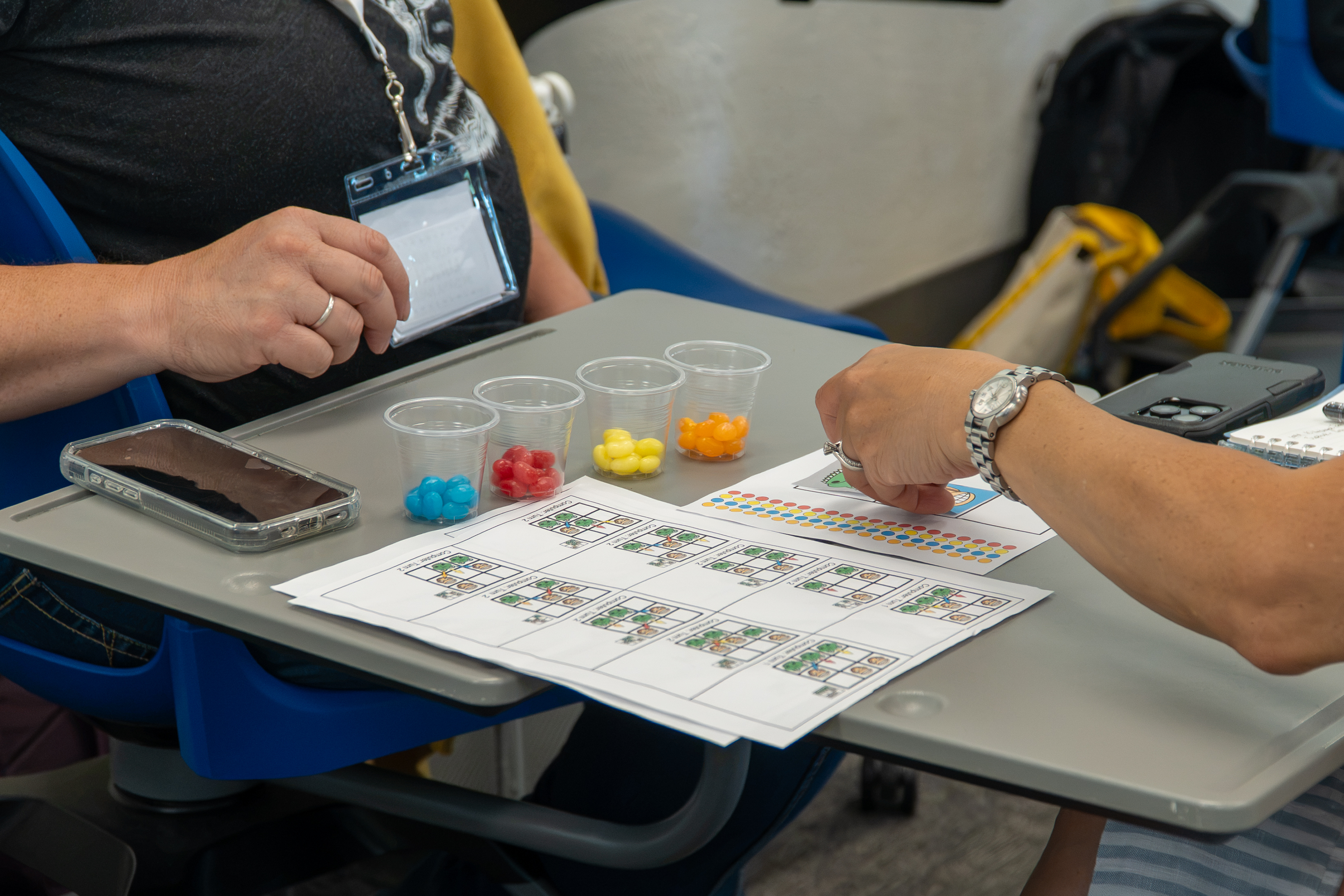
For Winthrop Middle School eighth-grade science teacher and STEM advisor Hannah Kibbin, that peer-to-peer model is part of what makes the experience matter.
“You can learn from professionals who aren’t in the classroom all day,” Kibbin said. “But there’s something different about hearing from teachers who are here giving their time to help other educators. It’s really about taking what we know and sharing it with others.”
Kibbin joined Workforce Ready 2030 (WFR) this year as part of the Winthrop hub. Winthrop is one of 13 educator hubs across Maine participating in a Research+Practice Partnership and professional learning throughout the school year. She said the experience has already changed how she sees herself as an educator.
“WFR has opened my mind, but also it has built so much confidence in me,” she said. During her first CS Summer of Fun, Kibbin facilitated three sessions for fellow educators, including activities using sorting networks to show how computational thinking can happen without a screen.
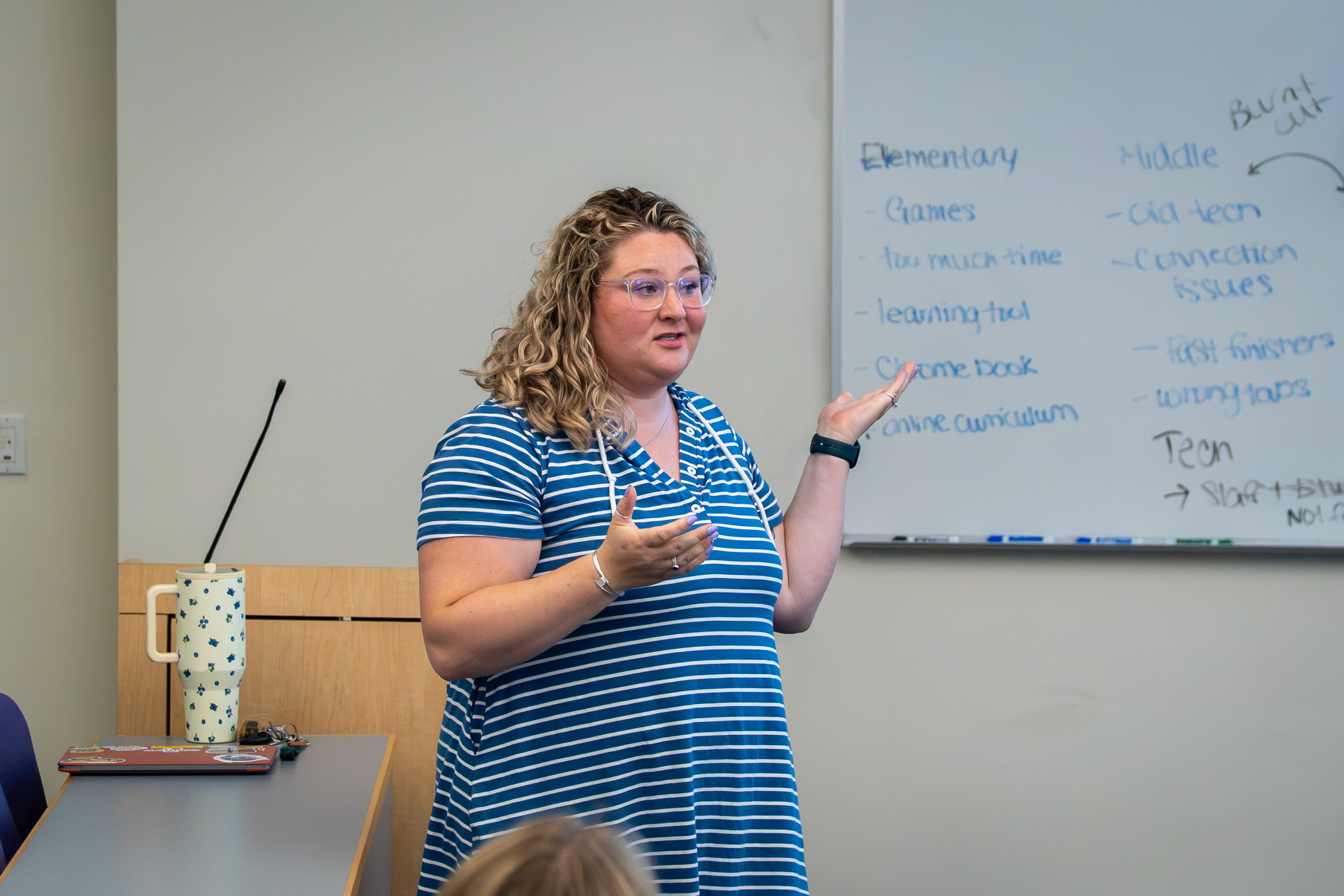
That idea surfaced throughout the week: computer science does not have to live in a standalone coding class.
Danny Gay, a theater teacher and longtime WFR participant, has brought computer science and computational thinking into theater through 3D-printed props, digital set design and sorting-network activities that students turn into pantomime.
“When I started doing the WFR project, I knew practically nothing about computer science and computational thinking,” Gay said. The experience later inspired him to complete a graduate certificate in computational thinking for educators.
Gay sees those skills as useful far beyond technology careers.
“For students to be able to understand the background of how those things work, as well as have a foundation in problem solving … is just going to prepare them for really any career that they’re a part of,” he said.
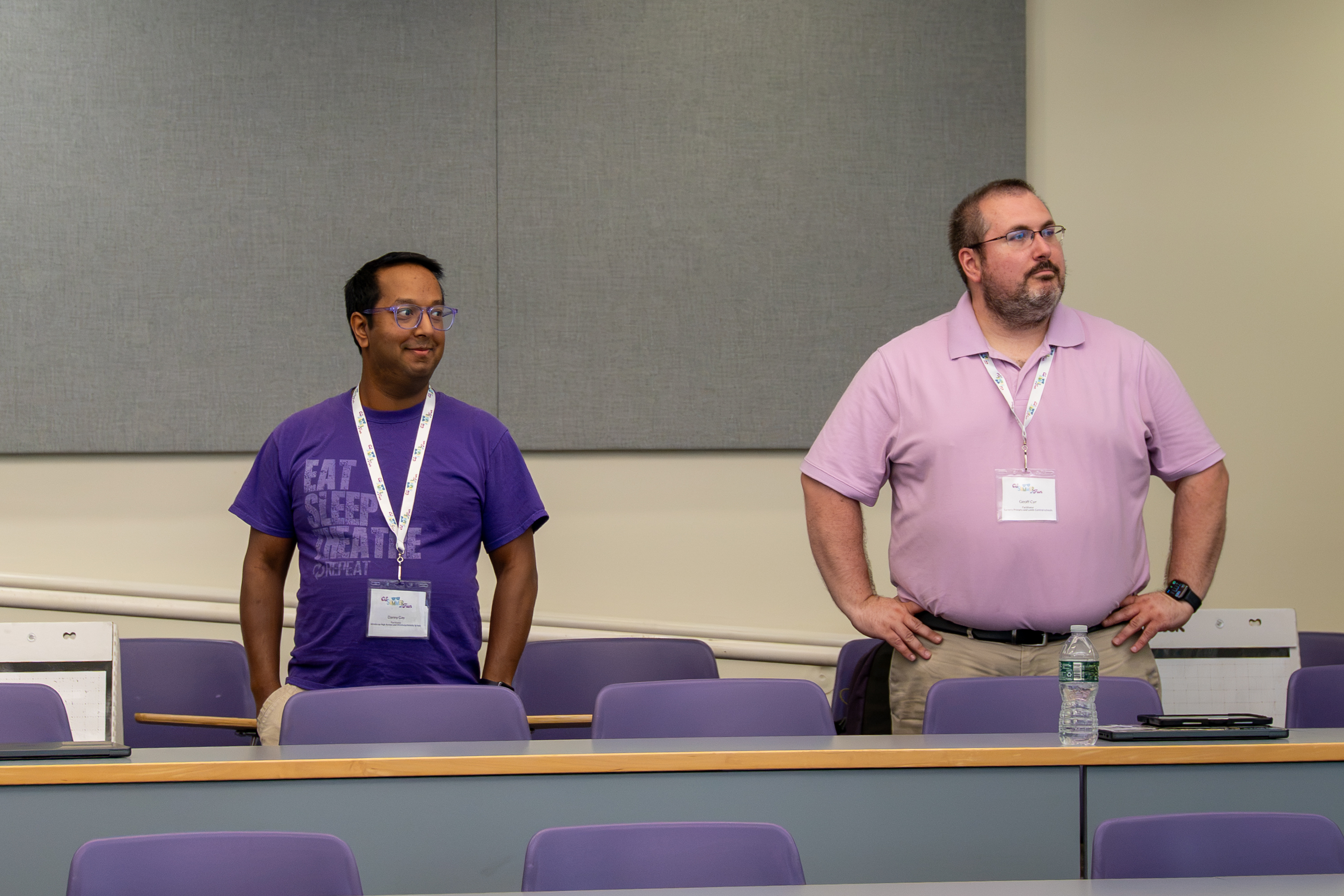
Educators could choose from pathways based on their experience and goals, including an Administrator pathway, Integration, CS Visioning + Integration, Code.org’s AI Foundations and Everyday AI. Participants could start where they were, whether they were new to computer science, planning districtwide integration or exploring how AI fits into teaching.
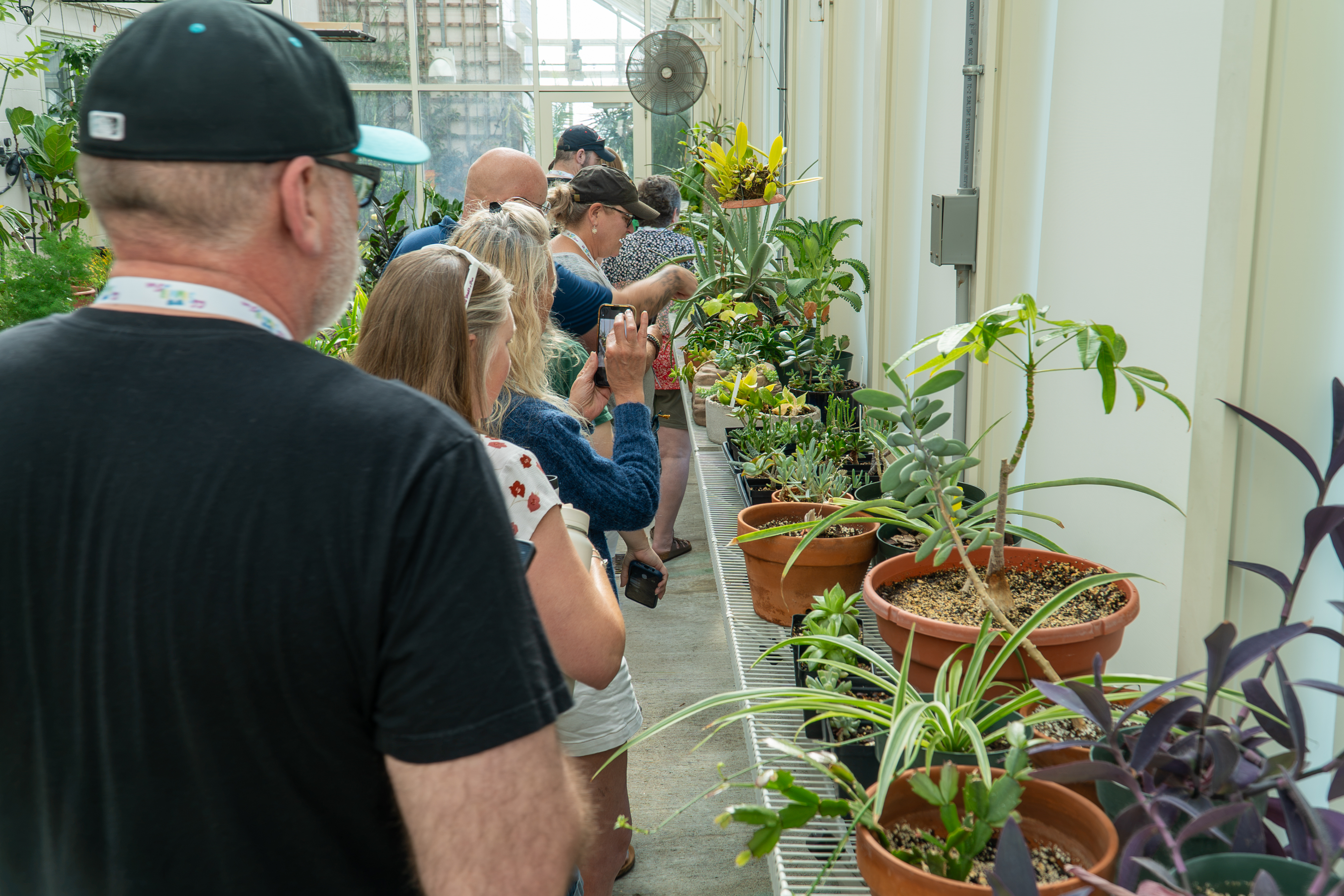
That approach reflects the larger goal of WFR, the statewide MMSA initiative behind CS Summer of Fun: developing teacher leaders who can expand access to computer science and AI learning across Maine.
The scale is substantial. Collectively, this year’s participants are expected to reach nearly 50,000 Maine students during the coming school year.
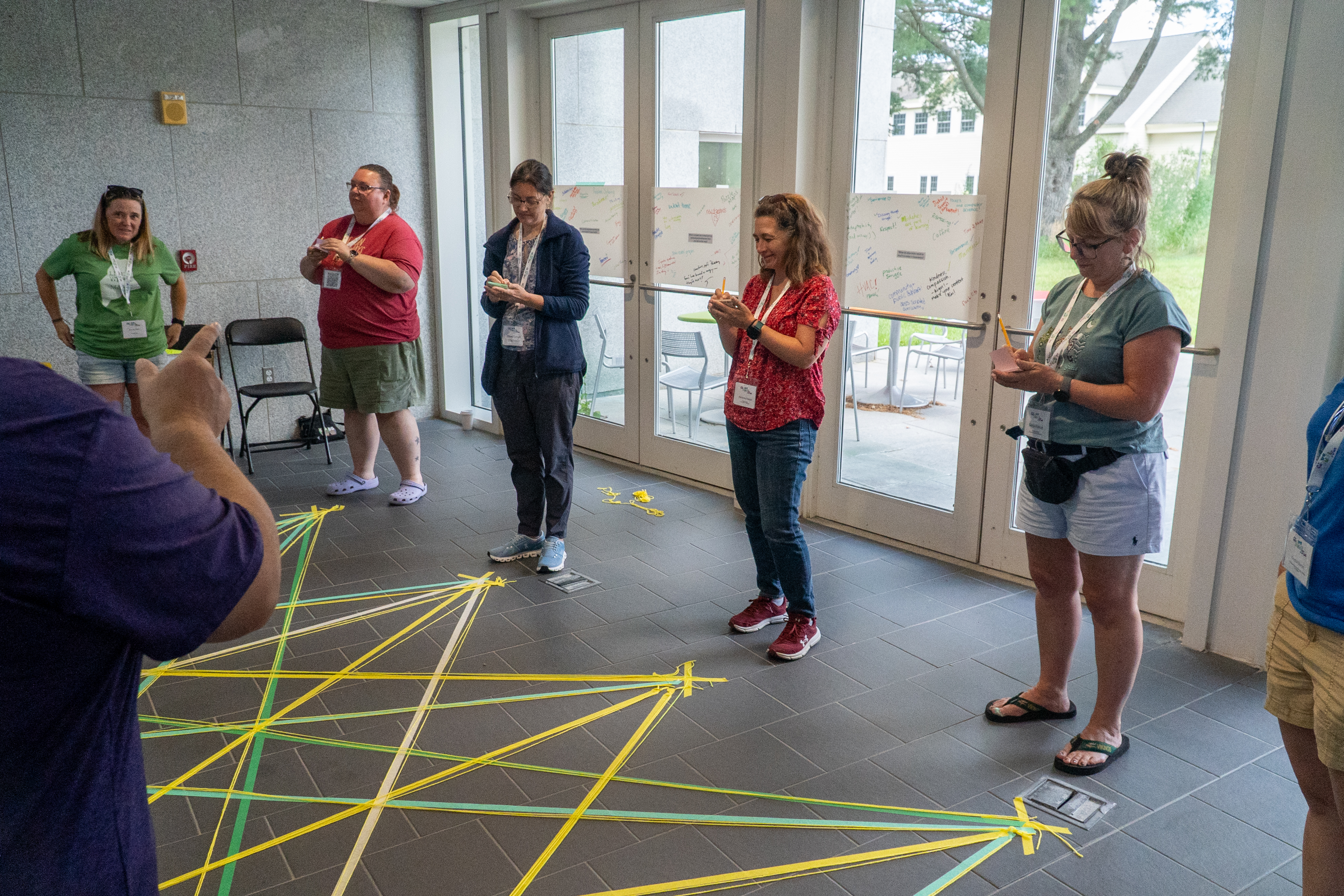
For those students, the impact may begin with a sorting activity, a 3D-printed theater prop, an AI lesson or a teacher willing to try something new. Across 117 schools, those individual ideas add up to more Maine students learning how technology works, how to solve problems and how to see themselves in a changing workforce.
CS Summer of Fun(opens in a new tab) would not be possible without the partners and sponsors who help bring the week to life. We want to thank our premier sponsor, Maine EPSCoR(opens in a new tab), supporting sponsors, Verizon(opens in a new tab) and Tyler Technologies Maine App Challenge(opens in a new tab).
We’re also grateful to Colby College(opens in a new tab) for welcoming CS Summer of Fun to its campus, and to the Harold Alfond Foundation(opens in a new tab), whose generous support of STEM Workforce Ready 2030(opens in a new tab) helps make the event possible and allows educators to attend at no cost while receiving a stipend for their time.
Learn more about Workforce Ready 2030 and how the project is supporting Maine educators at stemworkforceready.org(opens in a new tab)