Building Strong Foundations for Lifelong Math Learning
Posted on
Research shows that early numeracy is one of the strongest predictors of future academic success, even more so than early literacy. That’s why helping young children build confidence and curiosity in mathematics from the earliest years matters.
Over the past year, MMSA’s Building Strong Foundations initiative supported more than 80 PreK–2 educators from 40 Maine schools. Educators participated in school-based pairs to learn and implement new approaches together. Funded by the Maine Department of Education through the Maine State Numeracy Action Plan(opens in a new tab), the project focused on research-backed strategies that make early math engaging, meaningful, and joyful.
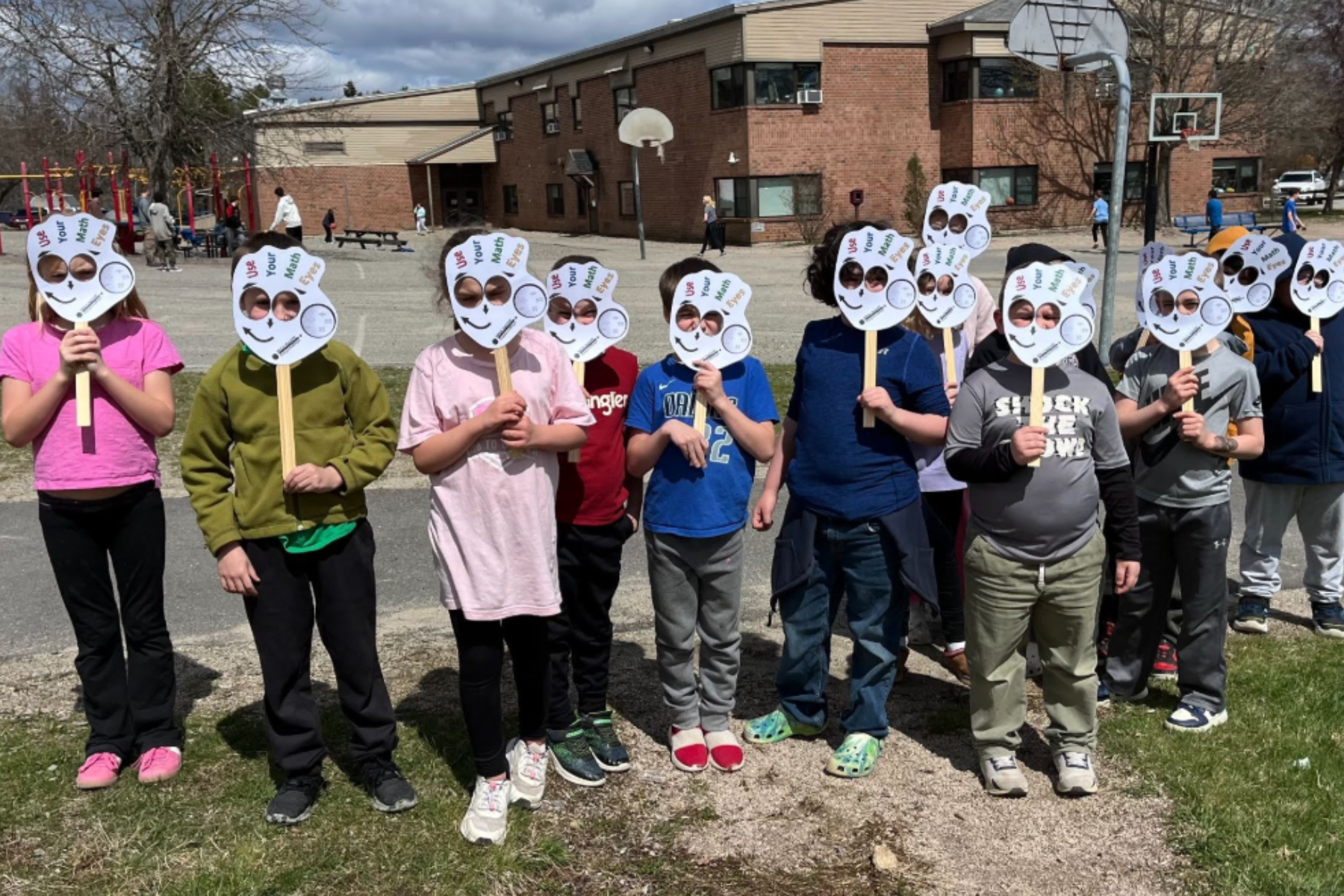
Together, these educators brought new ideas into their classrooms, reaching more than 1,600 young learners across Maine. Each participating school also received a Numeracy Kit filled with ready-to-use MMSA mFITT fluency decks and games, books, manipulatives, and classroom resources. During in-person professional learning sessions, educators learned how to use the materials while exploring strategies they could immediately implement with students. These educators also hosted community events to engage families and caregivers in supporting young math learners.
“Young children are naturally mathematicians; they notice patterns, ask questions, compare, estimate, and make sense of the world every day. Our role is to nurture that curiosity with joyful, meaningful experiences that help every child see themselves as a capable math thinker.”
– Cheryl Tobey, STEM Specialist at MMSA and lead of Building Strong Foundations project.
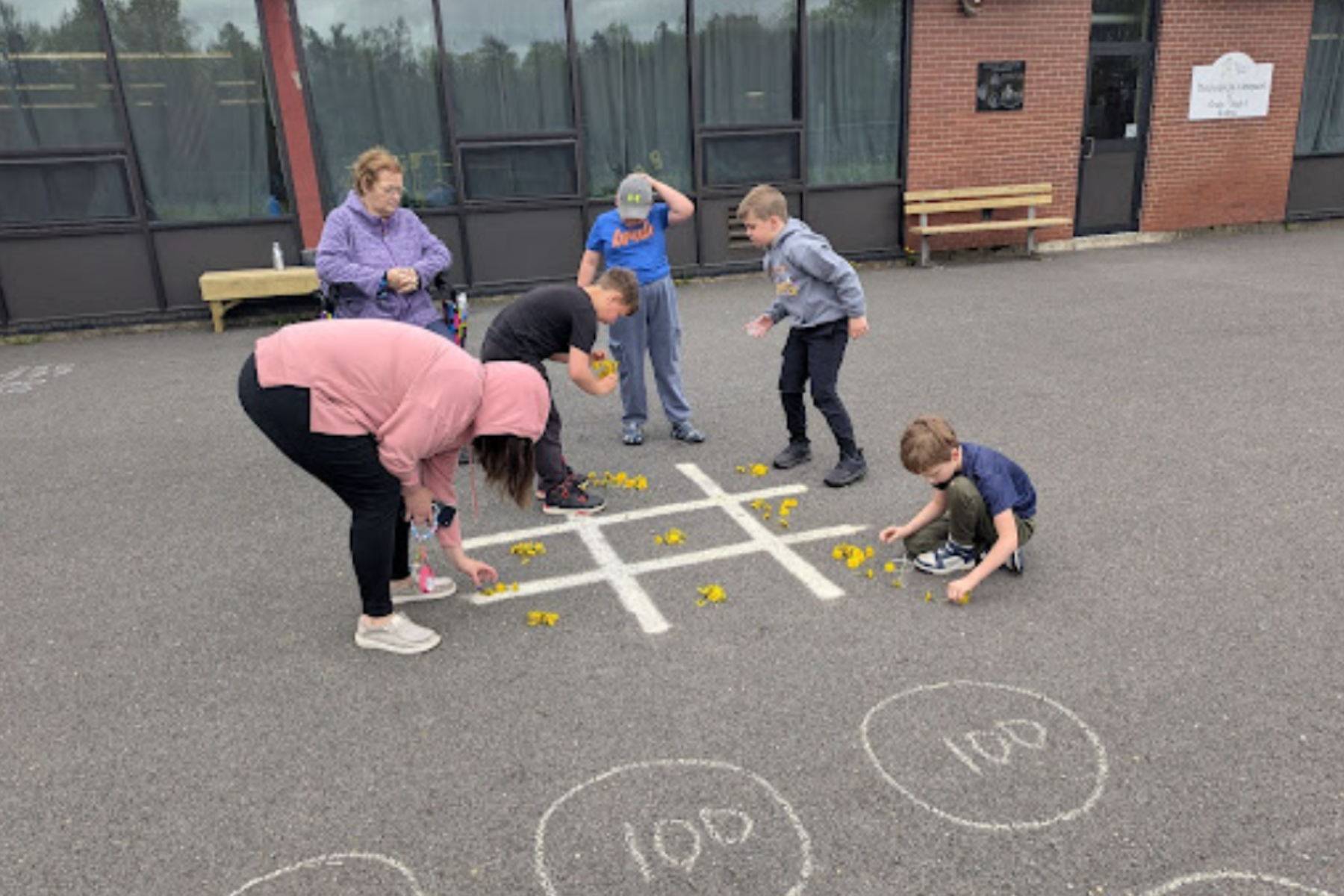
One of the lasting outcomes of the project is the growing collection of free resources developed through the initiative that are available on our Early Numeracy Resources & Reflection page and through Numeracy in Nature(opens in a new tab) resource site. Created and curated by Maine educators, the site features a resource bank(opens in a new tab) with classroom ideas, activities, as well as inspiring stories(opens in a new tab) about activities that show how effective and rewarding taking math outdoors can be!
From measuring natural objects and noticing patterns to collecting data on the playground or exploring geometry on a nature walk, educators share creative, real-world ways to help children experience mathematics as part of everyday life, while building a strong foundation for lifelong learning.
If you’d like to take math learning outdoors, MMSA offers Numeracy in Nature professional development workshops as part of our in-school math support services. Learn more about bringing Numeracy in Nature to your school!